Software Infrastructure Components
The Essential Building Blocks of Modern Applications
Read More
When off-the-shelf tools stop fitting, we design and build custom systems — internal platforms, workflow automation, and integrations — engineered specifically around your operations.
We start with how your teams actually work, not a generic template. The result is software that reduces manual effort instead of adding another disconnected tool to your stack.
We turn messy operational needs into clear, usable software that can scale.
We map your real workflows before designing a single screen.
Replace manual, repetitive tasks with reliable automated processes.
Connect your custom software with the tools you already rely on.
Architecture that adapts as your team, data, and processes grow.

Built a professional responsive website for Karm Al Emaar general contracting company. Arabic RTL design, cohesive color palette, clear typography, and structured content for services, projects, and contact sections.
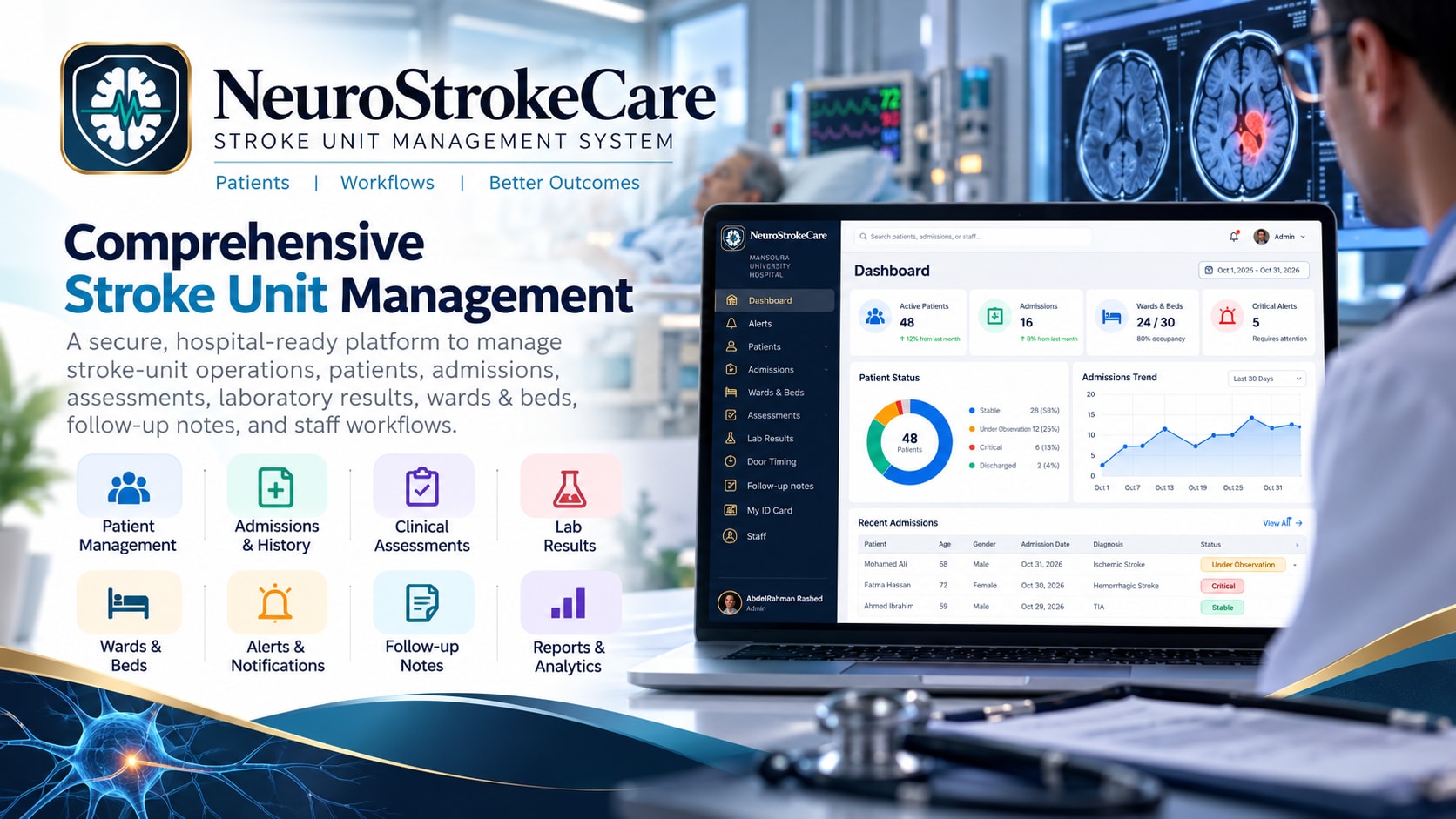
A secure healthcare web platform designed to manage stroke-unit operations, including patient admissions, clinical assessments, bed availability, laboratory results, follow-up notes, staff workflows, and real-time operational monitoring.
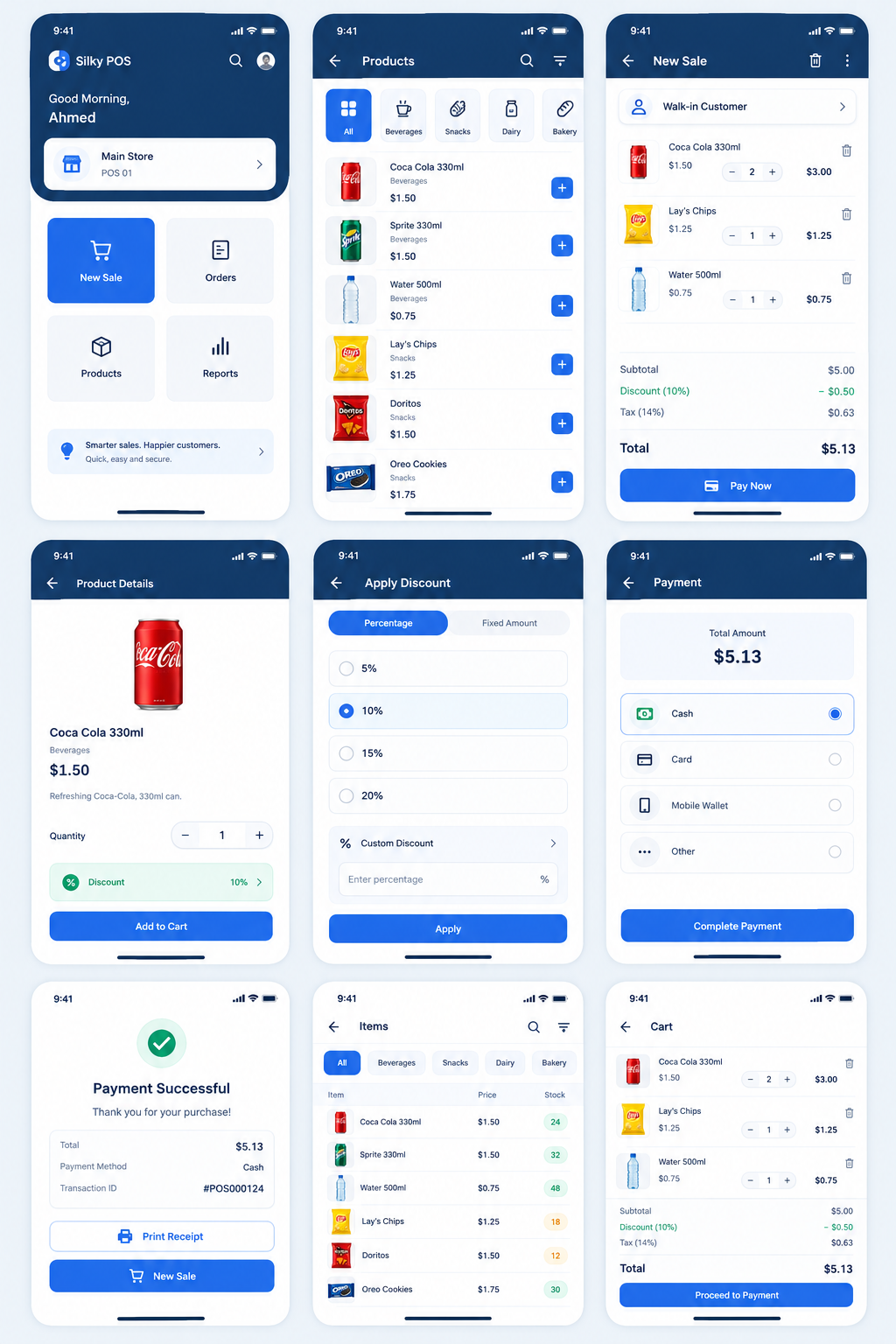
A modern POS system designed to streamline retail operations, manage sales and inventory, and give businesses real-time visibility into their daily performance.
Practical building blocks selected around the product, not a generic feature list.
Purpose-built tools that give your team visibility and control over daily operations.
Automate approvals, notifications, and multi-step workflows end to end.
Rebuild or extend aging systems without disrupting daily operations.
Connect ERPs, CRMs, payment gateways, and internal systems seamlessly.
Fine-grained access control matched to your organizational structure.
Custom reporting that turns your operational data into decisions.
A structured delivery path from discovery and architecture through launch and support.
We study how your teams work today and where the real bottlenecks are.
We design the data model, system architecture, and user experience.
Agile sprints with regular reviewable milestones and demos.
Functional and user-acceptance testing with your actual team members.
Phased rollout, staff training, and a defined post-launch support plan.
Typical industries and use cases where this kind of product creates leverage.
Production tracking, inventory, and operations software.
Clinic and hospital management systems built for real workflows.
Custom systems for fleet, warehouse, and shipment management.
Secure internal platforms for reconciliation, reporting, and compliance.
Student, staff, and administrative management systems.
Project, resource, and client management tools built around your workflow.
Clean structure, service boundaries, and product logic that can evolve after launch.
Role-aware experiences, authentication flows, and admin workflows built with production use in mind.
Backend systems designed to connect with payments, dashboards, operations, and third-party services.
Interfaces and content patterns that support English and Arabic product experiences.
A restrained, proven stack for maintainable, scalable product delivery.
Example scenarios where this solution applies and the outcomes it targets.
A custom platform replacing spreadsheets with real-time production and inventory tracking.
An internal system unifying scheduling, patient records, and billing for a multi-branch clinic group.
A custom WMS integrated with existing ERP software to automate stock movement.
Useful reading for the technical and business decisions behind the product.
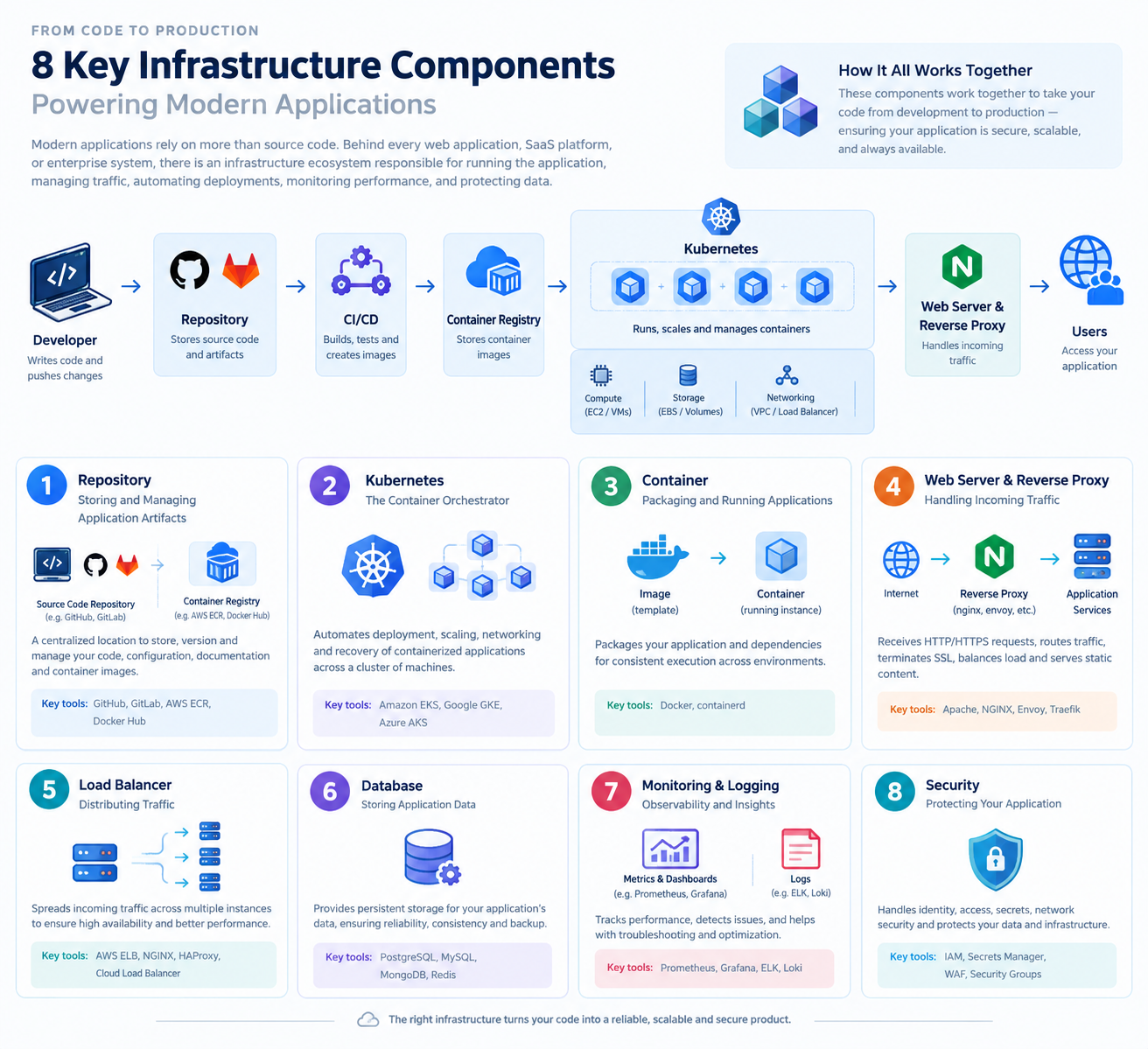
The Essential Building Blocks of Modern Applications
Read More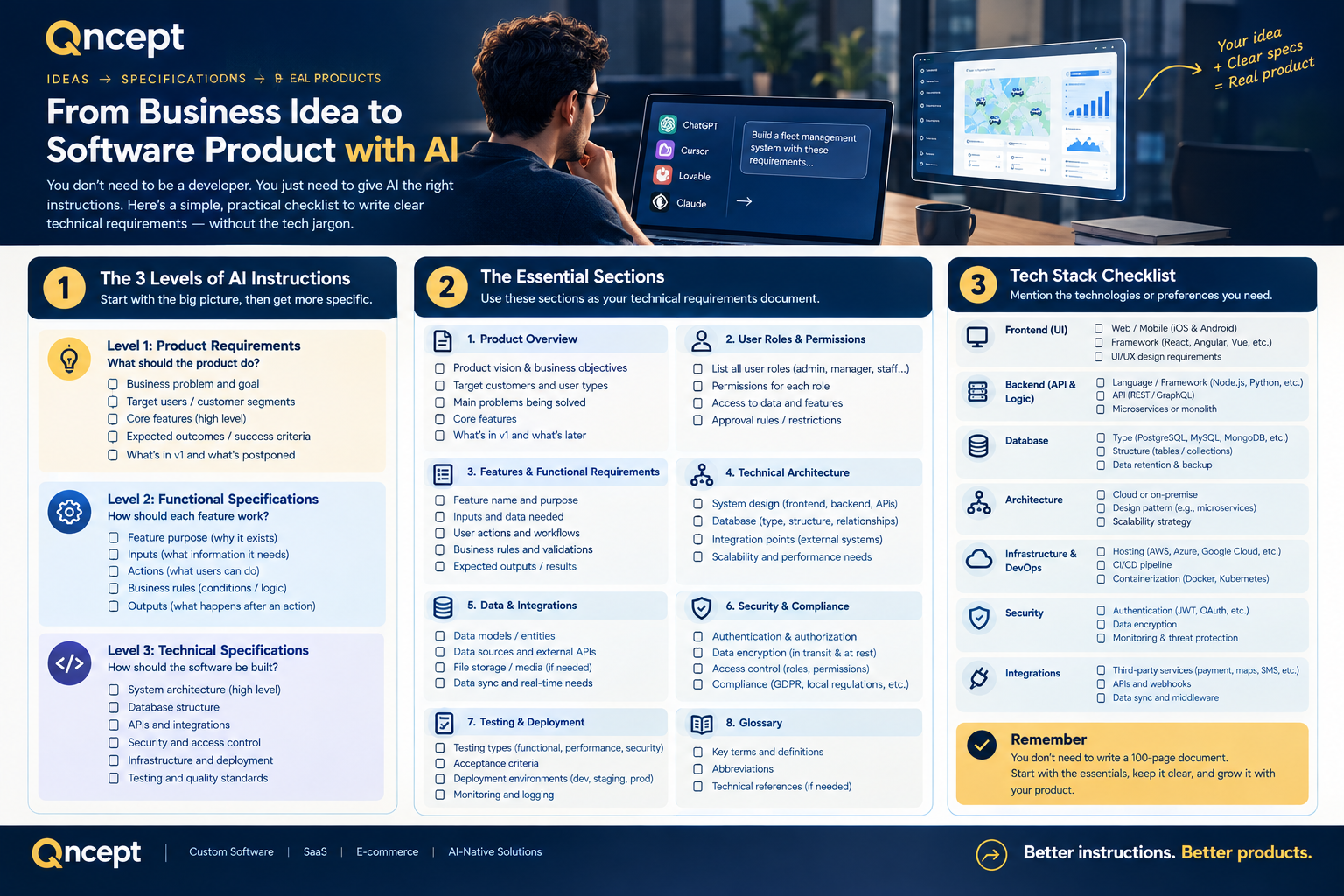
A practical guide for non-technical founders, business owners, and product managers
Read More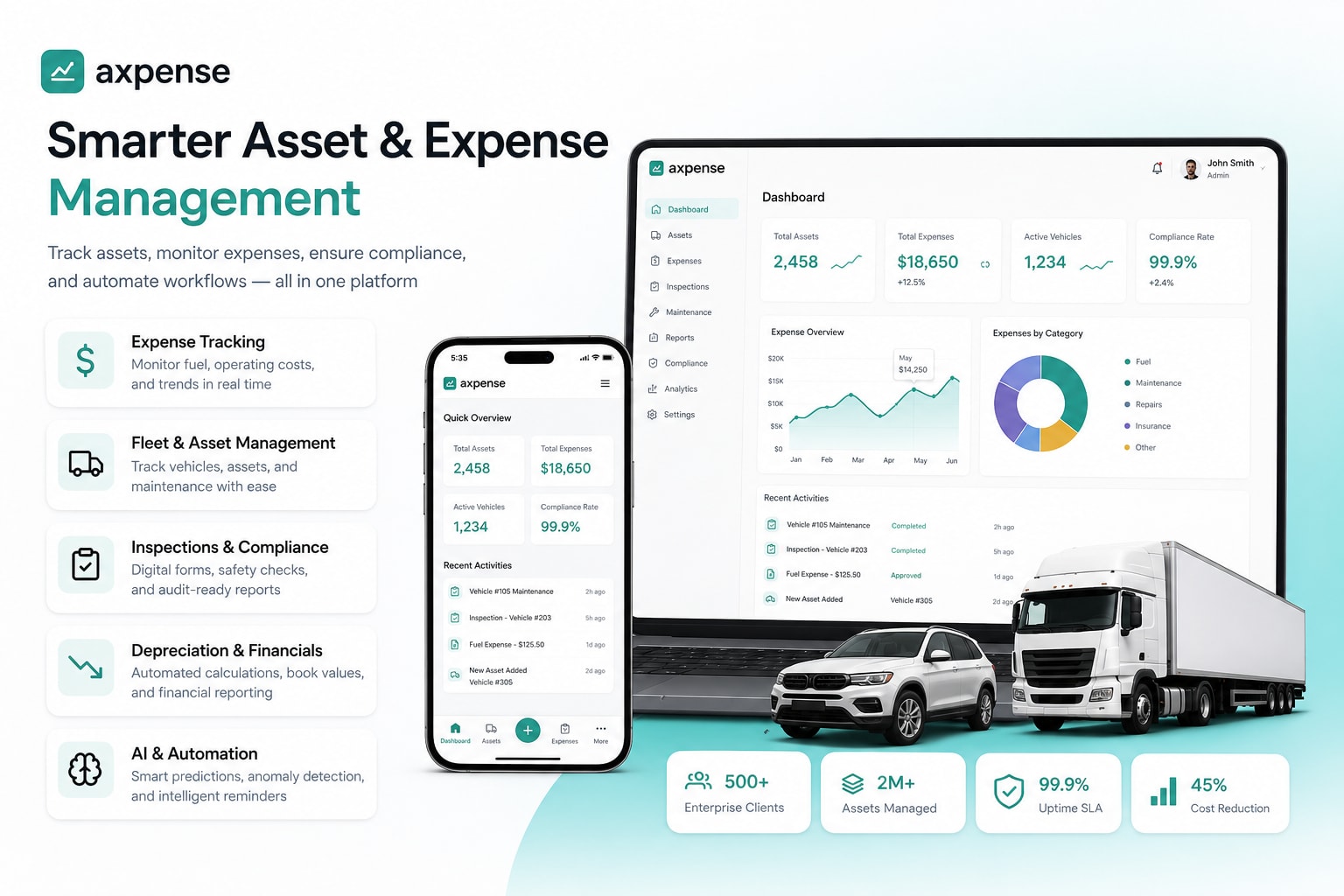
Outdated or mismatched logistics software often costs more in hidden inefficiencies than it saves. Here are 5 warning signs to watch for. Logistics software is costing you more than it saves if your team relies on manual spreadsheets for dispatch, you lack real-time fleet visibility, drivers and dispatchers use disconnected communication tools, reporting takes hours instead of minutes, and the system can't scale with your fleet size.
Read MoreOff-the-shelf tools force your process to fit the software. Custom software is built around how your business already operates, which usually means less workaround and more adoption.
Yes. We regularly extend, integrate with, or gradually modernize legacy systems instead of forcing a risky full rebuild.
We start with a discovery phase mapping your current process, then define a phased scope so you see value early instead of waiting for one large release.
You do. All source code, documentation, and intellectual property are transferred to you as part of the engagement.
Yes, we design the architecture and data model with future modules and integrations in mind, so growth does not require a rebuild.
We offer maintenance retainers, feature development sprints, and on-call support, depending on how actively the system continues to evolve.
Share your current process and pain points, and we will map out a system that fits.